
Radiofrequency Ablation (RFA) for Knee, Hip & Shoulder Pain
What is it?
Long-lasting relief without surgery.
What causes it?
Chronic joint pain often comes from arthritis, wear and tear, or injury. Over time, the tissues in and around the joint can become inflamed and sensitive. Common causes include:
• Osteoarthritis (wear-and-tear arthritis)
• Previous injuries or surgeries
• Cartilage damage
• Chronic inflammation
This can affect major joints like the knee, hip, and shoulder, making everyday activities painful.
What is Radiofrequency Ablation (RFA)?
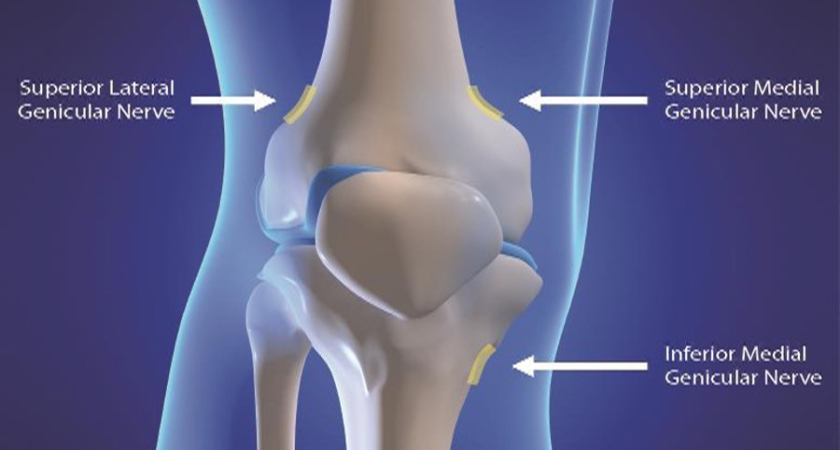
Radiofrequency ablation is a minimally invasive treatment that reduces pain by targeting the small sensory nerves that carry pain signals from the joint.
Using imaging guidance, your doctor places a thin needle near these nerves and applies gentle heat to interrupt pain signals—helping you feel relief without affecting movement or strength.
Who may benefit from RFA?
You may be a good candidate if:
• You have chronic joint pain lasting more than 3–6 months
• Pain is due to arthritis or joint damage
• Medications, injections, or therapy haven’t provided enough relief
• You had good temporary relief from a diagnostic nerve block
• You want to delay or avoid joint replacement surgery
What happens during the procedure?
• Done in an outpatient setting
• The area is numbed, and light sedation may be used
• A small needle is guided to the target nerves using imaging
• Heat is applied for about 60–90 seconds per nerve
Total time: about 30–60 minutes. Most patients feel minimal discomfort.
What can I expect afterward?
• Mild soreness for a few days is normal
• Pain relief usually starts within 1–3 weeks
• Many patients experience significant improvement in pain and mobility
Relief can last 6–12 months or longer, and the procedure can be repeated if needed.
Benefits of RFA
• Long-lasting pain relief
• Minimally invasive (no surgery)
• Can reduce the need for pain medications, including opioids
• Improves daily function and quality of life
Hip Pain (Articular Branches):
• Targets small nerves supplying the hip joint
• Can reduce pain from hip arthritis or chronic hip pain
• Help improve walking and daily activities
• Targets nerves around the shoulder joint
• Useful for arthritis, rotator cuff disease, or chronic shoulder pain
• Helps improve range of motion and comfort
Benefits of RFA
• Long-lasting pain relief
• Minimally invasive (no surgery)
• Reduced need for pain medications
• Improved mobility and quality of life
Are there any risks?
RFA is generally very safe, but possible side effects include:
• Temporary soreness or swelling
• Numbness or tingling
• Rarely: infection, bleeding, or nerve irritation
Your doctor will discuss all risks with you beforehand.
When might RFA not help?
RFA may be less effective if:
• Pain is not coming from the joint nerves
• There is severe joint instability
• The pain source is unclear
A careful evaluation helps ensure the best results.
Take the next step
If joint pain is limiting your life, radiofrequency ablation may help you move more comfortably—without surgery.
Talk to your doctor to find out if RFA is right for you.