
Radiofrequency Ablation (RFA) for Cervicogenic Headaches
What is it?
Targeted relief for headaches that start in the neck
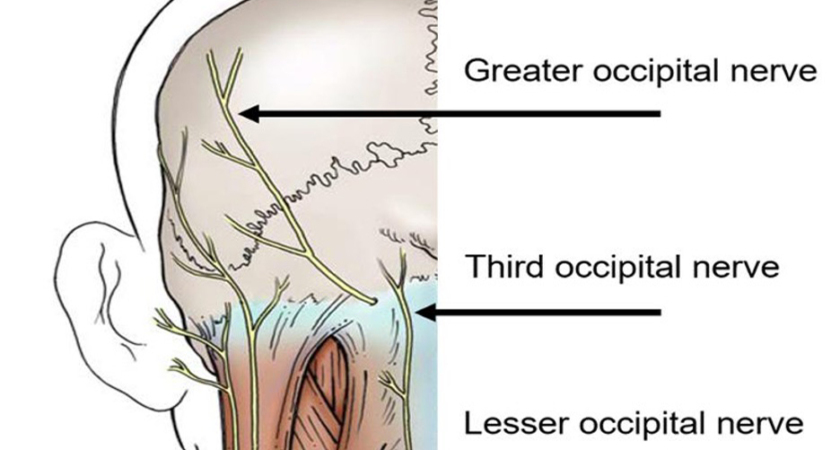 What are cervicogenic headaches?
Cervicogenic headaches are caused by problems in the neck (cervical spine)—not the brain itself. Pain typically begins in the neck and travels up to the back of the head, and sometimes toward the forehead or behind the eyes.
Common sources include:
• Pain starting in the neck and spreading to the head
• Headache on one side (often consistent)
• Neck stiffness or reduced range of motion
• Pain worsened by certain neck movements or posture
These headaches are often linked to irritation of the facet joints or nearby nerves in the upper neck (such as the C2–C3 region).
What is Radiofrequency Ablation (RFA)?
Radiofrequency ablation is a minimally invasive procedure that helps relieve pain by turning off the small nerves responsible for sending pain signals from the neck to the brain.
Using X-ray guidance, your doctor places a thin needle near the targeted nerve and applies controlled heat to disrupt pain signals—without affecting strength or major nerve function.
Who is a good candidate?
You may benefit from RFA if:
• You have chronic headaches that start in your neck
• Your pain has lasted more than 3–6 months
• You’ve had temporary relief from diagnostic nerve blocks
• Medications or physical therapy haven’t provided lasting relief
What happens during the procedure?
• Performed in an outpatient setting (you go home the same day)
• The skin is numb, and you may receive light sedation
• A small needle is guided to the target nerves using X-ray
• Heat is applied for about 60–90 seconds per nerve
Total time: about 30–60 minutes. Most patients feel only mild discomfort during the procedure.
What can I expect afterward?
• Mild soreness in the neck for a few days is normal
• Headache relief usually begins within 1–3 weeks
• Many patients experience significant and lasting improvement
Relief can last 6 to 18 months, and the procedure can be repeated if needed.
Benefits of RFA for cervicogenic headaches
• Targets the source of pain, not just symptoms
• Long-lasting relief compared to injections alone
• Reduces reliance on medications
• Helps improve daily function and quality of life
Are there any risks?
RFA is generally very safe, but possible side effects include:
• Temporary soreness or stiffness
• Numbness or tingling in the treated area
• Rarely: infection, bleeding, or nerve irritation
Your doctor will review all risks and answer your questions beforehand.
When might RFA not help?
RFA is most effective for cervicogenic headaches. It may not be helpful for:
• Migraines
• Tension-type headaches
• Headaches unrelated to the cervical spine
A careful evaluation is important to confirm the right diagnosis.
Take the next step
If your headaches seem to start in your neck and haven’t improved with other treatments, radiofrequency ablation may offer lasting relief. Talk to your doctor to find out if this procedure is right for you.